
Every few years, the culinary world discovers something it acts as though it has just invented.
Suddenly it’s everywhere. Instagram feeds overflow with carefully arranged bowls of vibrant vegetables, roasted sweet potatoes, leafy greens, grains, seeds, and colorful sauces. Pinterest is filled with thousands of beautiful photographs, each one more artfully composed than the last. They are undeniably attractive, wonderfully versatile, and one of the easiest ways to enjoy a generous serving of fresh vegetables in a single meal.
These days, they’re most often called Buddha bowls.
I found myself wondering where that name came from.
As someone who enjoys understanding the history behind things, I did a little digging. According to the commonly told story, Buddha walked each morning carrying a simple bowl while villagers placed whatever food they could spare into it. At the end of his walk, he ate whatever had been gathered. Those meals would have been humble, seasonal, and entirely dependent upon the generosity of the community.
Whether or not that story is historically precise, it struck me that the bowls filling social media today probably bear little resemblance to those simple meals. Today’s versions are often colorful celebrations of abundance—organic vegetables, ancient grains, homemade dressings, roasted chickpeas, avocado, seeds, herbs, and every imaginable combination of wholesome ingredients.
And that’s perfectly fine.
Americans have always enjoyed giving familiar things fresh names. Long before “Buddha bowls” became fashionable, people were making grain bowls, rice bowls, salad bowls, and what many affectionately called “hippie bowls.” The idea itself isn’t new. It’s simply another example of how good ideas are rediscovered and repackaged for a new generation.
The name matters far less than what the bowl represents.
At its heart, it’s simply a meal built around real food—vegetables harvested close to the season in which they were grown, whole grains, legumes, healthy fats, herbs, and simple dressings. It’s flexible enough to accommodate whatever happens to be growing in the garden, available at the farmers market, or lingering in the refrigerator waiting to be used.
That, to me, is the real appeal.
There is something deeply satisfying about preparing a meal that doesn’t require a strict recipe. A handful of roasted sweet potatoes. A scoop of quinoa or brown rice. Fresh kale or spinach. Crispy chickpeas. A few toasted seeds. Perhaps a drizzle of lemon-tahini dressing or a simple vinaigrette.
The combinations are nearly endless, changing naturally with the seasons.
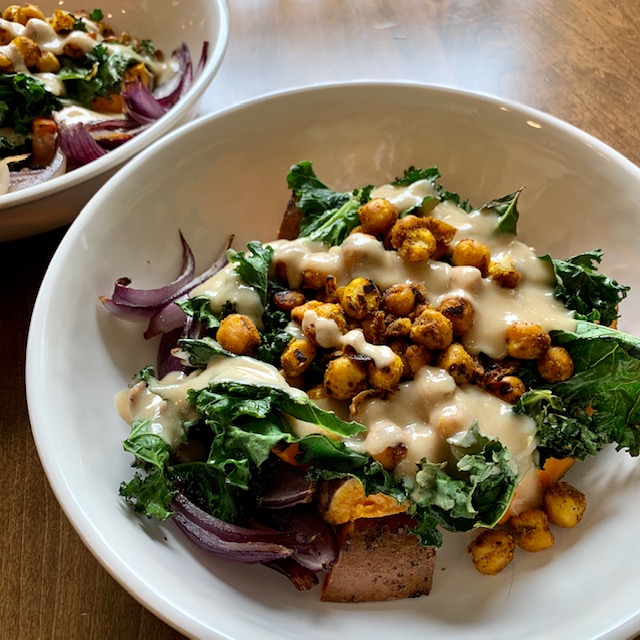
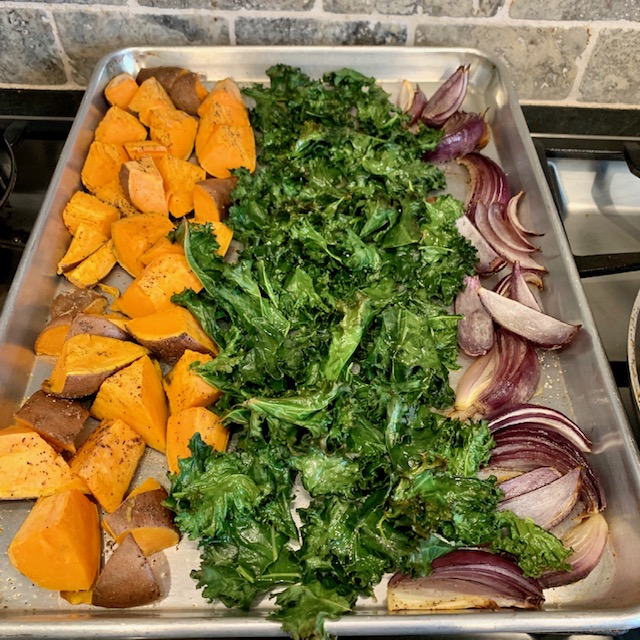
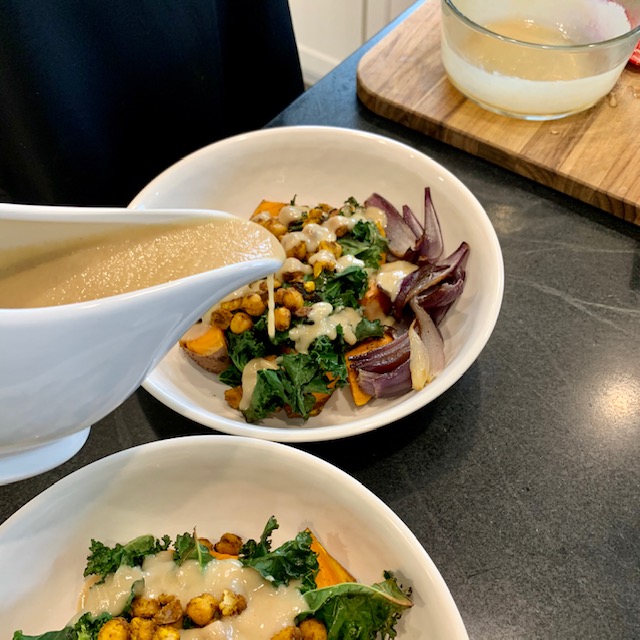
The bowl we prepared that evening featured roasted sweet potatoes, broccolini, kale, seasoned chickpeas, and a creamy maple-tahini sauce inspired by a recipe from Minimalist Baker. It was colorful, nourishing, and satisfying without feeling heavy—exactly the kind of meal that reminds me how delicious simple food can be.
Perhaps that’s why these bowls have become so popular.
Not because they carry a fashionable name, but because they quietly invite us back to something our grandparents would have recognized: gathering together simple, wholesome ingredients, preparing them with care, and gratefully enjoying what the season has provided.
Sometimes the newest food trend is simply an old tradition wearing a new name.