

A rhythm of growth, beauty, and quiet intention
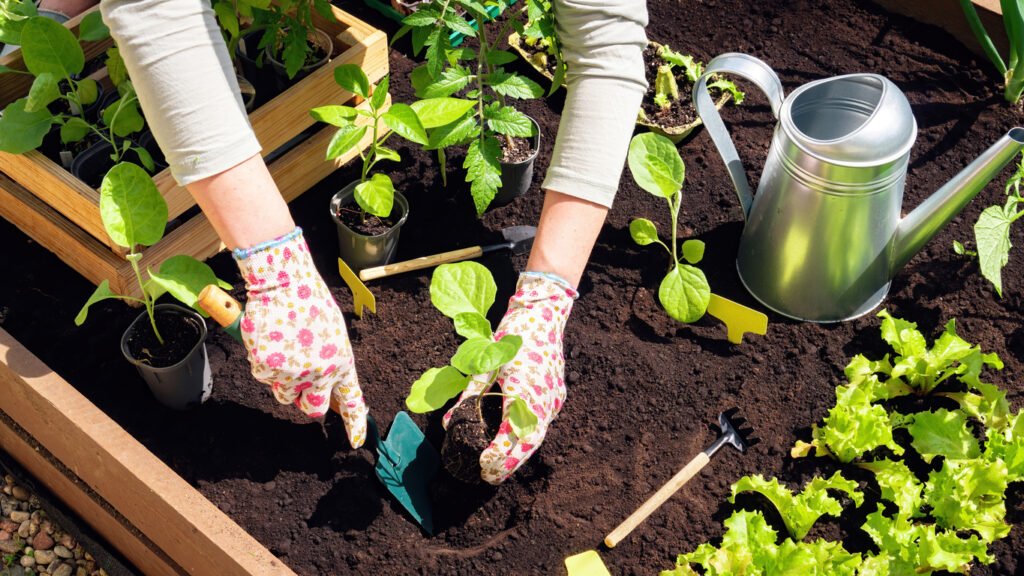
There is a particular moment each spring when the garden shifts—from preparation to promise. This year, that moment felt especially meaningful. What began as structured beds and early greens has now started to take on life, movement, and personality. My kitchen garden is no longer just planted—it is becoming.
One of the most transformative additions this season has been the introduction of climbing companions along the trellis line. Nestled among the indeterminate cherry tomatoes, these vines are not merely decorative—they bring vertical life, pollinator activity, and a sense of wild beauty to an otherwise structured space.
A Garden That Climbs
“Heavenly Blue” morning glories now stretch upward with soft anticipation, while the cheerful Black-eyed Susan vine “Sunny Lemon” adds a bright, sunlit energy. Climbing Amazon Jewel nasturtiums spill and weave with edible charm, and the delicate “Saffire Indigo” dwarf clematis offers a more refined, almost poetic note.
Together, they create a living tapestry—one that changes daily, reaching higher, softening lines, and inviting the eye upward.
Around the garden’s edge, terra cotta containers have become their own quiet symphony. I chose combinations that feel both abundant and intentional—layers of color, texture, and movement.
The Perimeter in Bloom
One grouping pairs bold red geraniums with trailing sweet potato vines and airy purple verbena—a classic combination that feels both grounded and lively. Nearby, Black Eyed Susans bring a familiar, golden warmth, while bee balm “Balmy Purple” hums with pollinator energy and soft movement.
Mixed plantings of red, pink, and purple petunias soften the edges further, creating a gentle spill over the clay rims. “Purple Dome” asters echo the tones of the bee balm, tying the palette together in a way that feels cohesive rather than crowded.
Each container acts like a vignette—distinct, yet part of a larger story.
Movement Through Grasses
To balance the flowering elements, I introduced native grasses into the perimeter containers. This was less about color and more about motion
“Fiber optic” dwarf fountain grass catches the light in a way that feels almost whimsical, while dwarf fountain grass “Little Bunny” adds softness and structure at a lower height. These grasses sway with the slightest breeze, bringing a dynamic quality that keeps the garden from ever feeling still.
They are the quiet counterpoint to the blooms—subtle, but essential.
The Mediterranean Thread
At the heart of my design is a Mediterranean influence, expressed through a trio of containers that ground the entire space.
Sage, “Sweet Romance” lavender, and rosemary form a simple but powerful composition—fragrant, textural, and timeless. These plants are not just culinary; they evoke a way of life. Sun-warmed stone, dry air, purposeful planting.
Placed together, they create a sensory anchor for the garden. When I brush past them, their fragrance releases instantly, reminding me that a kitchen garden is meant to be experienced, not just observed.
A Garden Style Rooted in Rhythm
More than anything, this garden reflects a rhythm—both seasonal and spiritual. The structure, the restraint, the intentional additions all point toward a deeper philosophy shaped by the ancient rhythm of the Shemitah.
There is a mindfulness in how the garden is allowed to unfold. Not everything is rushed. Not every space is filled at once. There is room for rest, for observation, for letting the garden speak before responding.
This spring has been about building—not just planting. Establishing layers that will mature over time. Allowing beauty and productivity to coexist without forcing either.
Looking Ahead
Even now, in its early fullness, the garden hints at what is to come. The vines will climb higher. The containers will spill further. The grasses will soften every edge.
But for now, this is the joy of spring—the becoming.
A garden not yet at its peak, but already rich with life, intention, and quiet beauty.