
One of the most satisfying sounds in my little soil laboratory is the gentle bubbling of compost tea brewing in a five-gallon bucket. It doesn’t look like much—a bucket of dark water quietly fizzing away in the corner—but inside, an invisible world is coming alive.
Healthy soil is far more than dirt. It is a living community filled with bacteria, fungi, protozoa, nematodes, and countless other microscopic organisms. These unseen laborers are the true stewards of the garden. They break down organic matter, unlock nutrients that plants cannot reach on their own, improve soil structure, and help create the conditions in which healthy plants naturally thrive.
When we feed the soil, we are ultimately feeding everything that grows from it.
Last autumn, I began building what gardeners often call a living soil compost pile. Unlike a compost pile intended simply to produce finished compost, this one was created with a specific purpose: to become the foundation for brewing compost tea. After slowly maturing through the winter, it was finally ready to do its work.
Compost tea is simply an infusion of finished compost in oxygenated water. Rather than supplying nutrients directly like a conventional fertilizer, it introduces living microbial communities back into the soil where they continue their work naturally.
The science behind it is wonderfully complex, but the process itself is surprisingly simple.
Brewing Compost Tea
For a small batch, I placed about four cups of mature compost into a fine mesh brew bag and suspend it inside a five-gallon bucket of water.
An aquarium air pump connected to a diffuser continuously bubbles oxygen through the water. A small amount of fish emulsion provides food for the beneficial aerobic microbes, encouraging them to multiply throughout the brewing process.
The tea brews continuously for twenty-four to forty-eight hours. Once finished, it should be used immediately. Because these living organisms require oxygen, compost tea has very little storage life and is most effective when applied fresh.
The finished tea can be used either as a soil drench around the roots or as a foliar spray on plant leaves.
Why Living Soil Matters
Every healthy garden begins beneath the surface.
When diverse microbial life flourishes in the soil, plants often become better equipped to access nutrients, develop stronger root systems, and withstand environmental stress. Gardeners frequently notice healthier growth, improved soil structure, and greater resilience over time.
Healthy living soil may also:
- Improve nutrient availability for plants.
- Encourage stronger root development.
- Increase the soil’s ability to retain moisture.
- Support natural biological balance that can reduce disease pressure.
- Produce vegetables, herbs, and fruits with exceptional flavor.
No bottled fertilizer can replace a healthy ecosystem already at work beneath our feet.
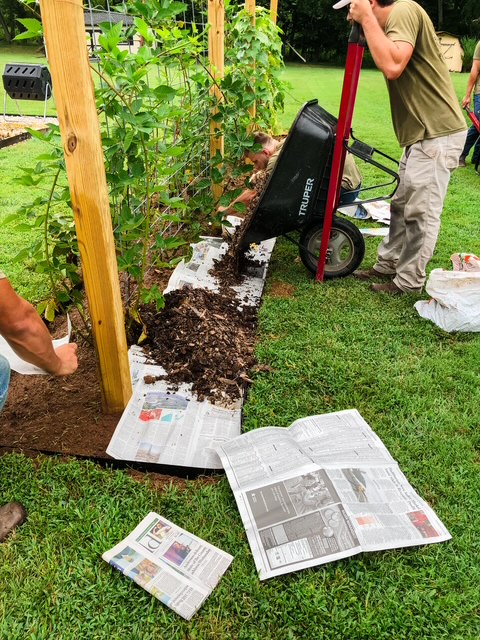
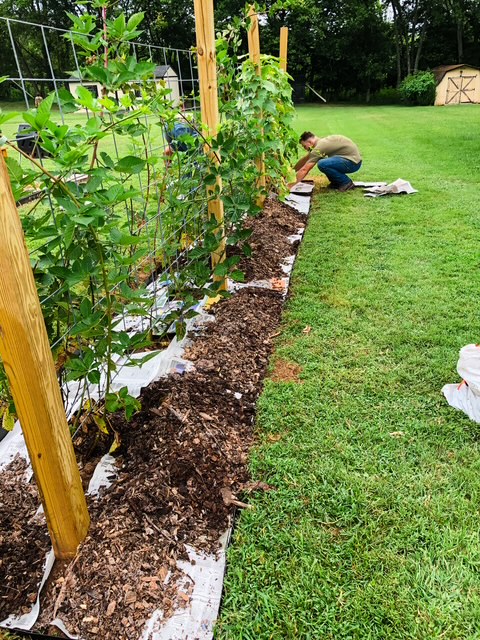
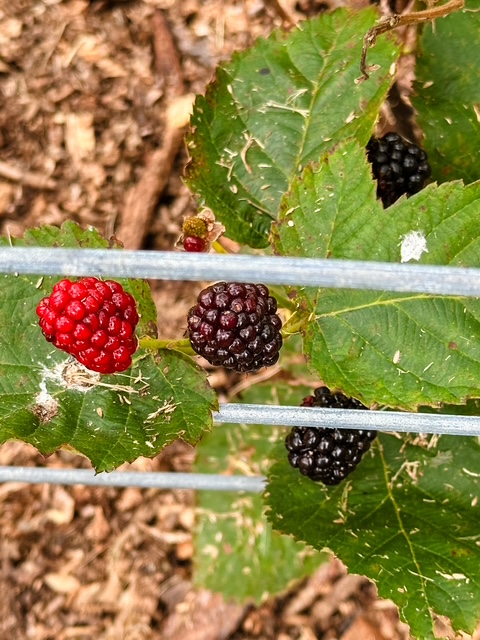
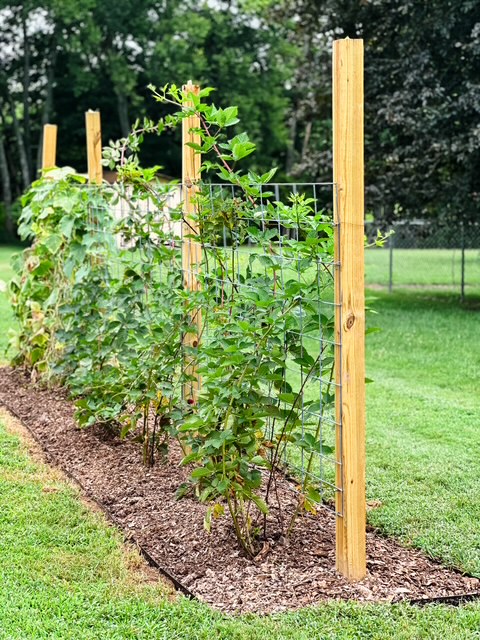
This summer, our young thornless blackberry patch received its first generous drench of compost tea before being tucked beneath a fresh blanket of wood chips. It is only the first year for these canes, but the goal isn’t simply bigger harvests. It is the slow, patient work of building healthy soil that will continue nourishing the plants for years to come.
Stewardship often happens where no one is looking. Beneath every thriving garden lies an unseen world carrying out the quiet work of renewal, one microscopic life at a time.
For those interested in trying compost tea themselves: if building a living-soil compost pile isn’t practical, companies such as Compost Tea Lab offer complete brewing kits that simplify the process and provide the basic equipment needed to begin brewing compost tea at home.