
As winter begins to lose its sharp edge here in the South, growers and gardeners everywhere begin turning their thoughts toward spring. Seed catalogs appear on the kitchen table, garden journals are reopened, and quiet plans begin taking shape for another growing season.
One of the central goals of any garden is to transform the hidden wealth of the soil into food that nourishes both body and table. Healthy soil is more than dirt—it is a living community. When it is stewarded well, it produces vegetables that are not only more abundant, but more flavorful and nutrient-dense.
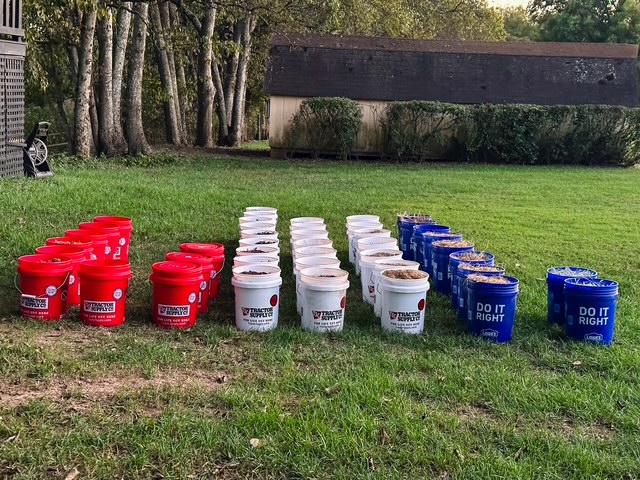
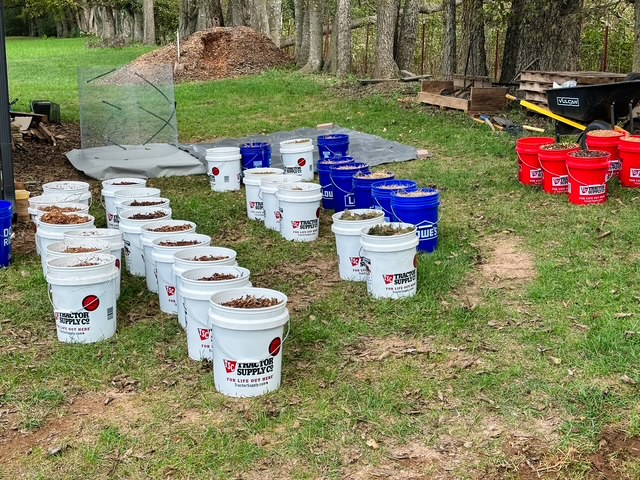
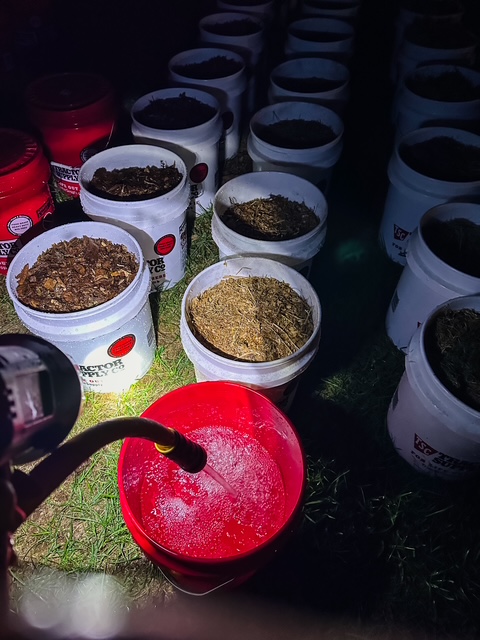
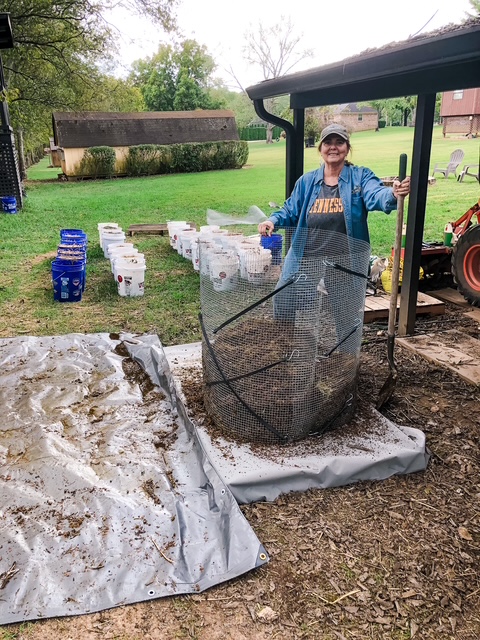
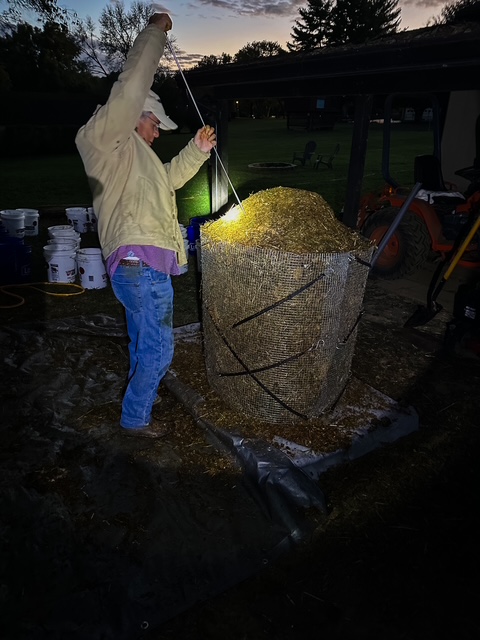
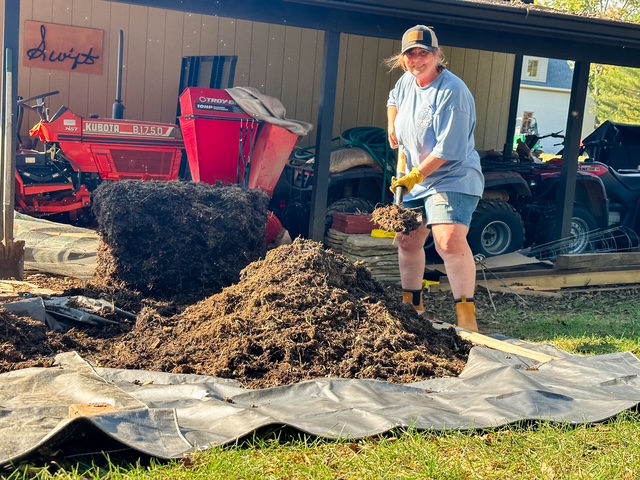
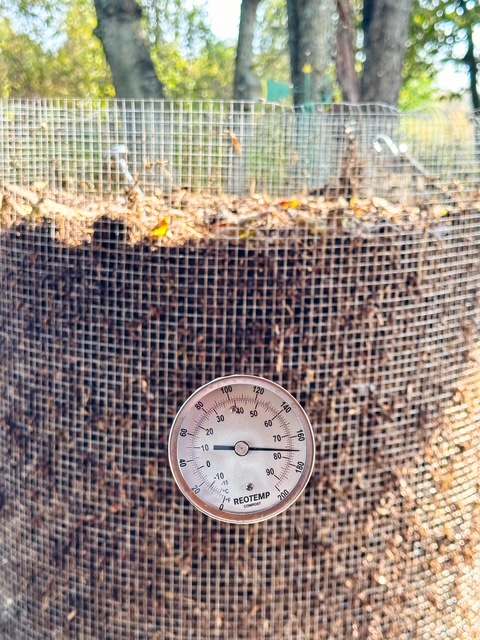
Last October, after attending a Living Soil Workshop taught by Kevin Krause of Liberty Trace Farm, I set out with the ambitious goal of building my own biologically rich compost pile. I gathered leaves, grass clippings, wood chips, manure, and other organic materials, layering them with the hope of creating a thriving ecosystem of beneficial microorganisms.
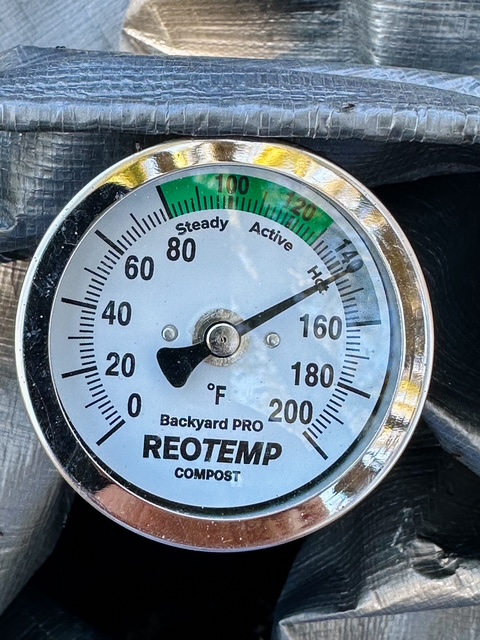
The work itself lasted only a day, but the real miracle has taken place over the months since. Hidden behind the shed at the edge of our property, unseen billions of bacteria, fungi, protozoa, nematodes, and countless other tiny creatures have quietly gone about their work. Through the long winter they have multiplied, broken down organic matter, and transformed a simple pile of compost into living soil.
There is something deeply satisfying about knowing that even while the garden appeared dormant, life never stopped. Beneath the surface, creation continued its patient work of renewal.
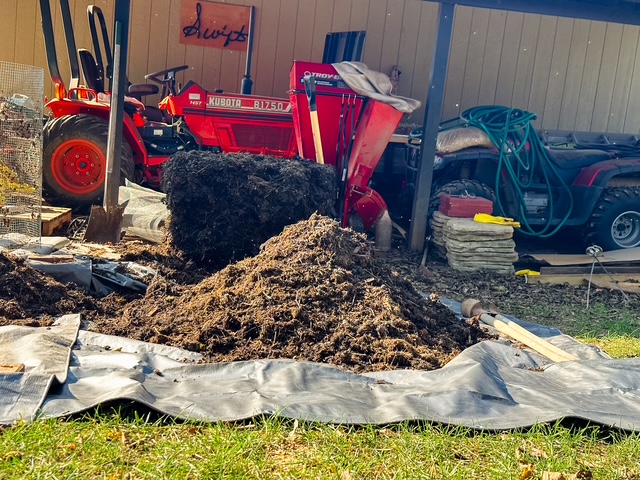
Now, as another gardening season approaches, that compost is ready to become the foundation for this year’s beds. What began as autumn’s fallen leaves will soon nourish spring’s first harvests—a quiet reminder that good gardens, like many worthwhile things in life, are built patiently, one season at a time.