
“Odd as I am sure it will appear to some, I can think of no better form of personal involvement than that of gardening. A person who is growing a garden, if he is growing it organically, is improving a piece of the world. He is producing something to eat, which makes him somewhat independent of the grocery business, but he is also enlarging, for himself, the meaning of food and the pleasure of eating.”
~Wendell Berry
Wendell Berry reminds us that a garden does more than produce food. It enlarges our understanding of where nourishment comes from, teaches us the disciplines of patience and stewardship, and quietly reshapes our relationship with the land beneath our feet.
That is the heart of the kitchen garden.
A kitchen garden is simply a growing space woven into the daily rhythms of home life. Whether it consists of a handful of containers on a patio or a carefully designed garden enclosed by stone walls, its purpose is the same: to provide fresh vegetables, herbs, fruit, and flowers for the family’s table.
Unlike a large vegetable patch or working farm, a kitchen garden is intentionally scaled for everyday living. It is planted, harvested, and replanted throughout the season rather than all at once. It invites frequent visits—a handful of basil for supper, a sprig of thyme for soup, a basket of tomatoes gathered moments before dinner. The garden becomes less of a project and more of a companion to the kitchen.
Traditionally, kitchen gardens were never hidden behind barns or tucked away in forgotten corners. They were designed to be both productive and beautiful. Neatly tended beds, orderly paths, flowering borders, and vegetables growing side by side reflected an older understanding that utility and beauty belong together. A kitchen garden was as much a gathering place as a source of food—a setting for conversation, children, hospitality, and the quiet satisfaction of honest work.
This year we finally brought that vision to life.
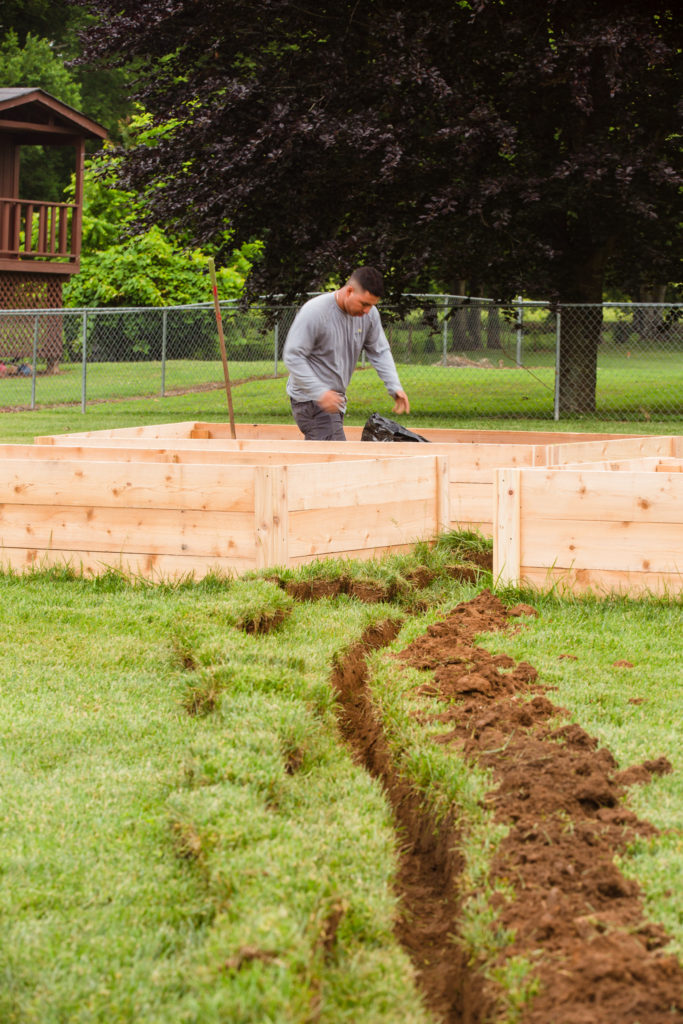
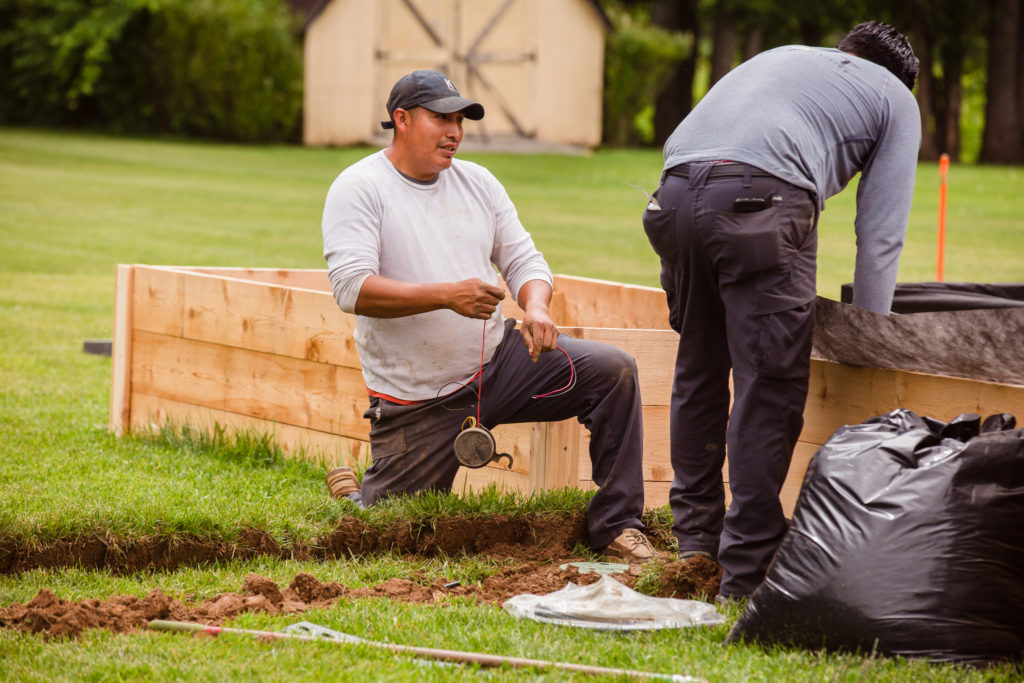
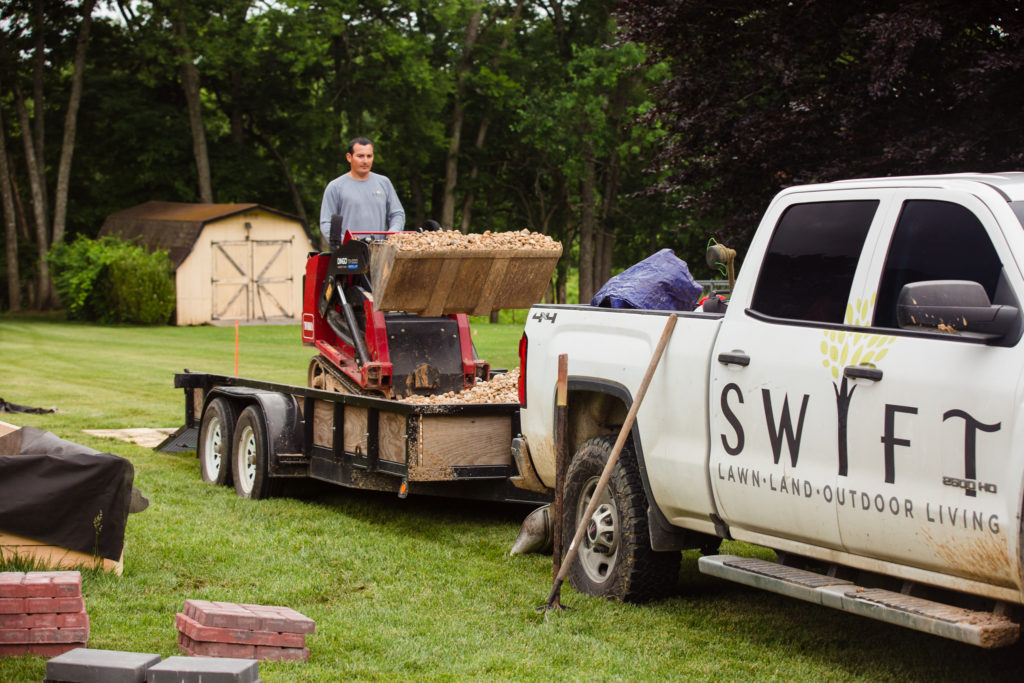
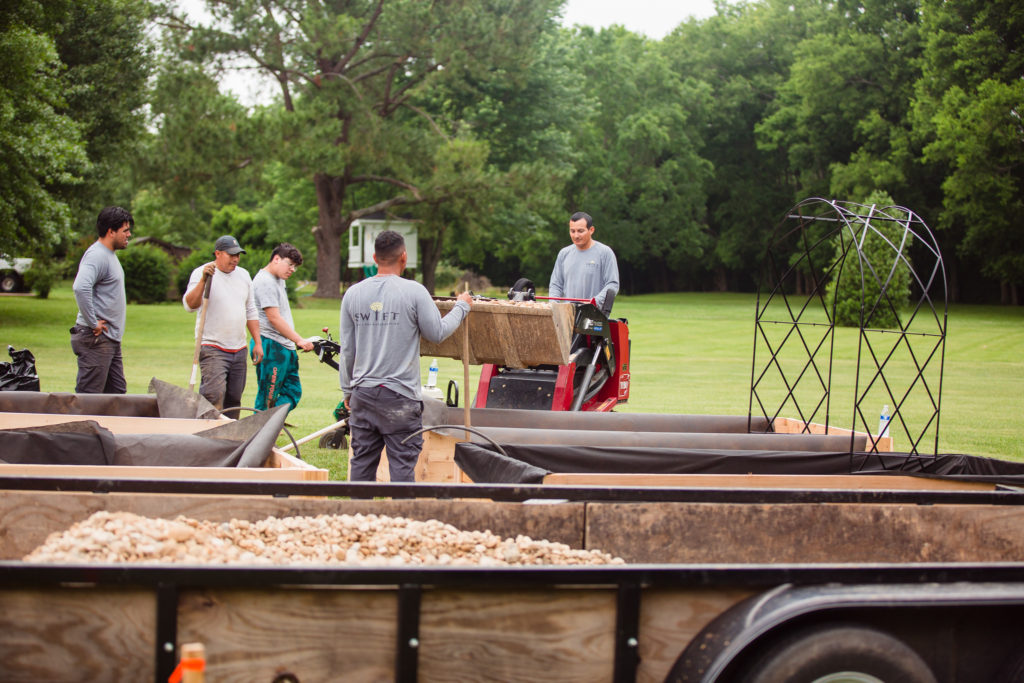
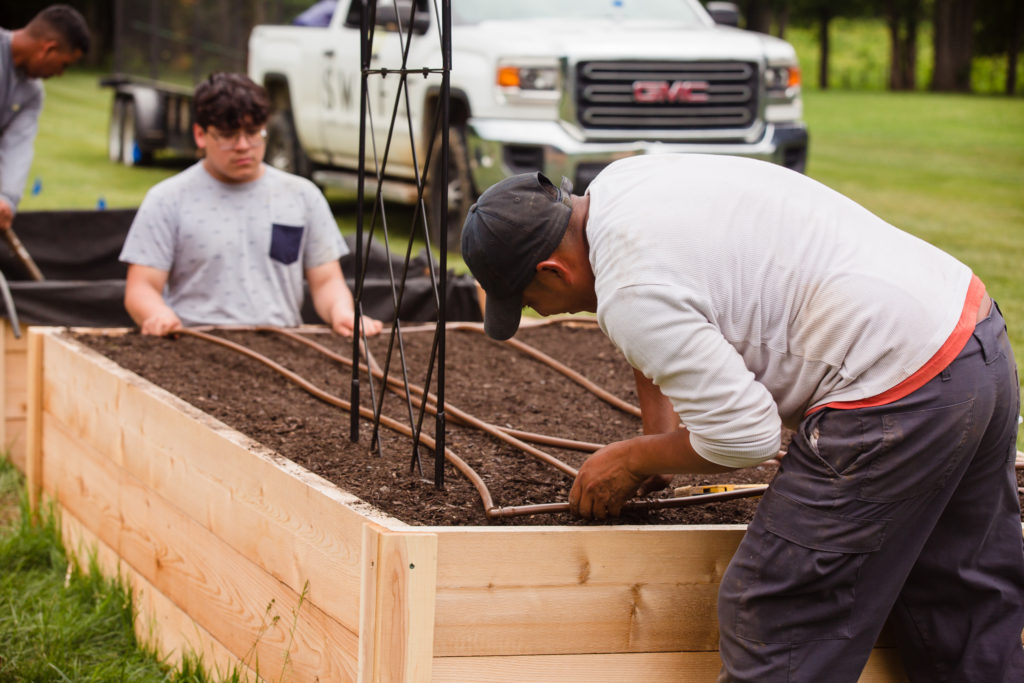
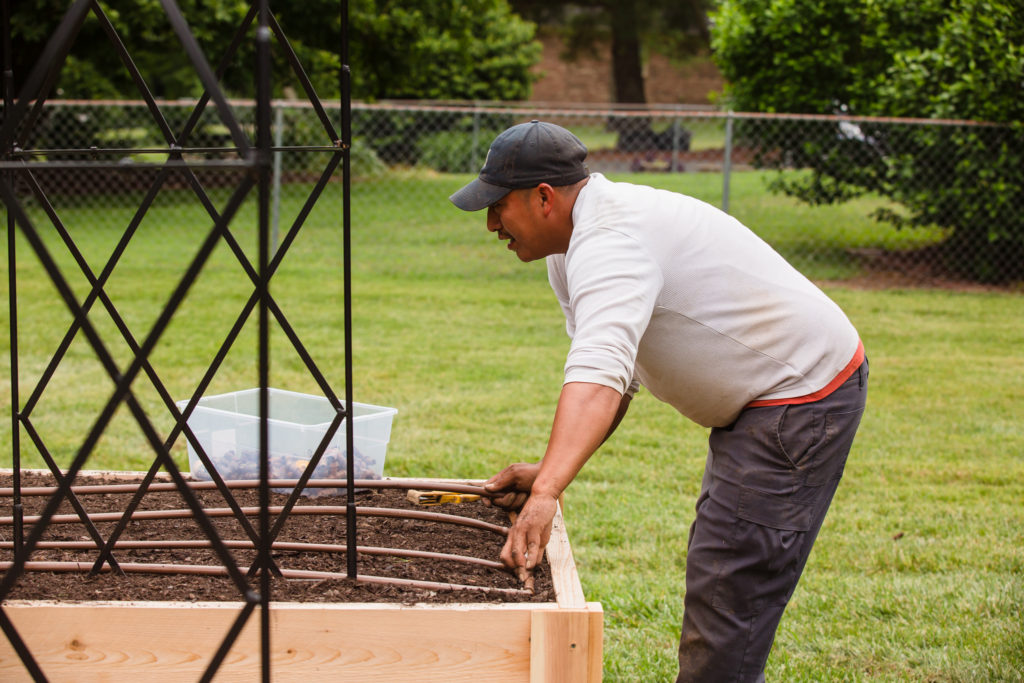
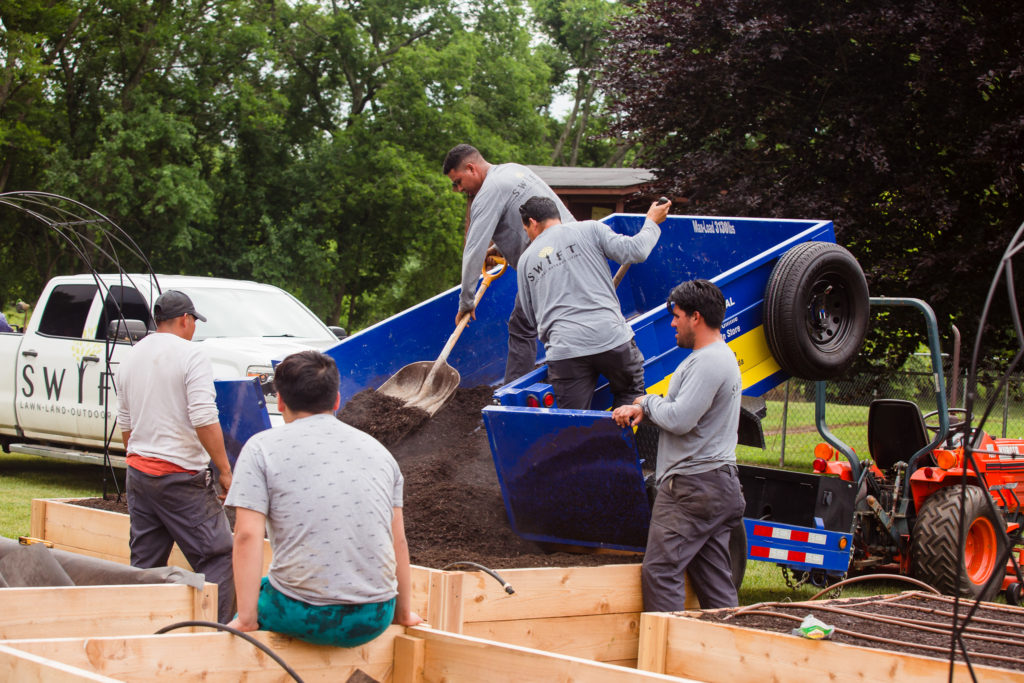
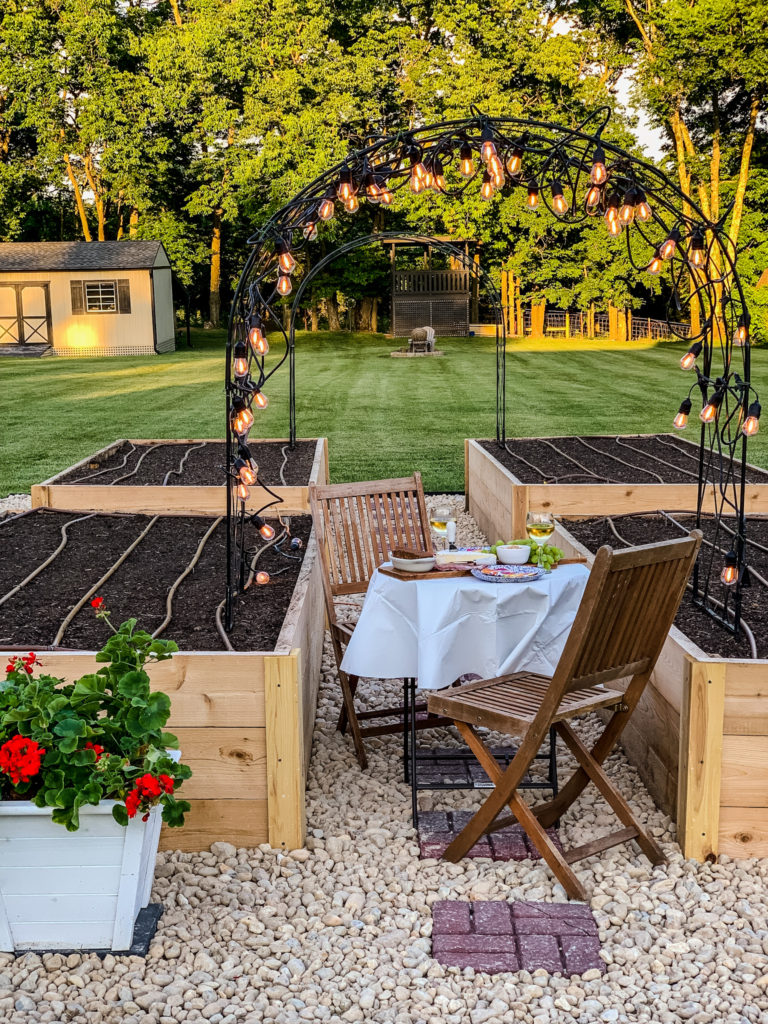
We installed four raised beds, each measuring five by ten feet, creating a kitchen garden large enough to provide an abundance of seasonal produce while remaining manageable enough to enjoy. Keith and I designed it to be both practical and inviting—a place where growing food naturally becomes part of everyday life rather than another chore on the calendar.
My son’s company, Swift Lawn & Land, handled the installation of the raised beds and drip irrigation system, and they did beautiful work. Our first growing season exceeded every expectation. We harvested baskets of tomatoes, peppers, squash, herbs, and greens, but the greatest harvest was something less tangible.
The garden changed our daily rhythms.
It drew us outdoors each morning and evening. It taught us to notice the seasons more carefully, to celebrate small successes, to accept occasional failures with humility, and to appreciate meals that had traveled only a few steps from soil to table.
In an age when so much of life is hurried, distant, and disconnected, a kitchen garden offers something quietly revolutionary. It restores the ancient connection between the home, the land, and the table. And in doing so, it enlarges not only the meaning of food, as Wendell Berry observed, but the meaning of home itself.