

For the past year or so, I have been slowly wading into the world of permaculture—a phrase that simply means permanent agriculture. I’m still very much a student, learning as I go, but my hope has always been to create a garden that grows healthier with each passing season rather than demanding more from me or from the land.
The more I learn, the more I realize that a home garden isn’t so different from a farm. It may be smaller in scale, but the same principles apply. Healthy soil grows healthy plants, healthy plants nourish healthy people, and every living thing has a role to play.
Farmers often call this approach regenerative agriculture. In the garden, I think of it simply as regenerative gardening—the practice of working with nature instead of constantly trying to outsmart it.
Rather than depending on chemical fertilizers to feed exhausted soil, regenerative gardening begins beneath our feet. The goal is to build living soil that supports earthworms, fungi, beneficial insects, and countless unseen microorganisms. These tiny laborers quietly recycle organic matter into nutrients, improve soil structure, conserve moisture, and create the conditions for plants to flourish naturally.
At its heart, regenerative gardening is about creating a living cycle. Compost becomes food for the soil. Healthy soil feeds healthy plants. Flowers invite pollinators that increase harvests. Diverse plantings protect one another, while succession planting keeps living roots in the ground for as much of the year as possible. Instead of producing waste, each part of the garden contributes something of value to the whole.
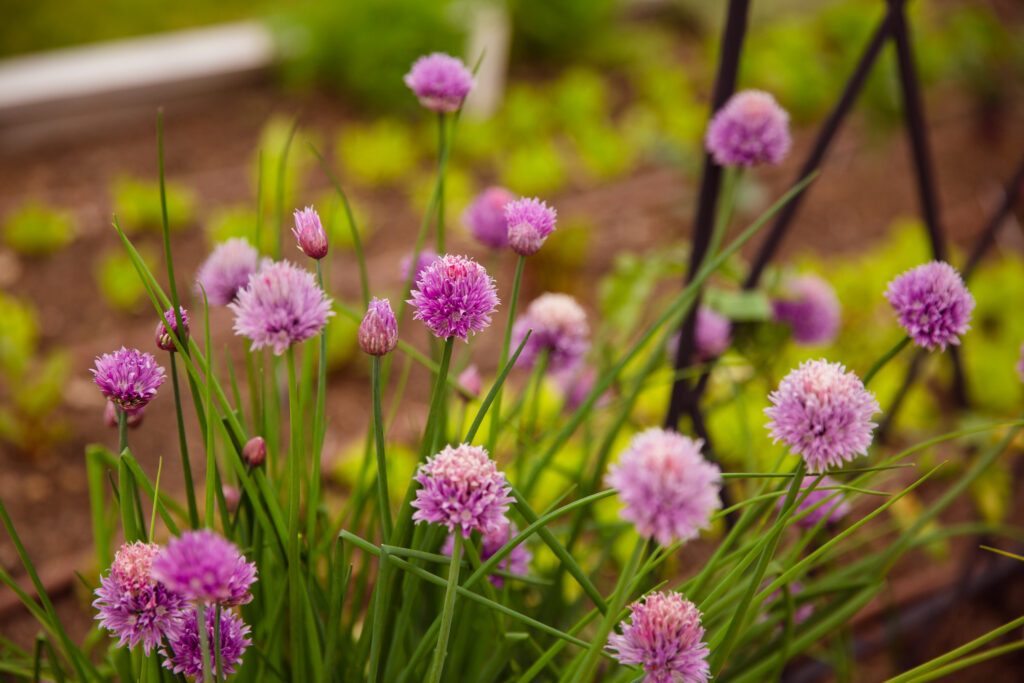
My own experiment is still young, but I’ve committed to four simple practices: feeding the soil with compost, welcoming pollinators by mixing flowers among vegetables, planting intensively so the ground rarely sits bare, and avoiding synthetic fertilizers and insecticides whenever possible.
None of these practices are especially complicated. What they require is a willingness to think differently—to see the garden not as something to manage into submission, but as a living community to steward with patience and care.
Perhaps that is what has drawn me so deeply into regenerative gardening. It isn’t merely about growing better tomatoes or harvesting more lettuce. It’s about learning to participate in the quiet wisdom of creation itself, where nothing is wasted, every creature has a purpose, and health begins in places our eyes seldom see.
It is a slower way of gardening. A humbler one. But I am beginning to believe it is also a truer one.